Frequently Asked Questions about CMCs
🔬 Ceramic Matrix Composites (CMCs) for High-End and Sustainable Applications
CMCs are advanced structural materials that delvier superior performance for many high-end applications, like in aerospace engines, automotive components, heat shields, energy systems, and industrial insulation. Baikowski superior Ox/Ox CMCs solutions offer excellent thermal and chemical stability with good mechanical properties, particularly in oxidizing environments.
✅What is a CMC material?
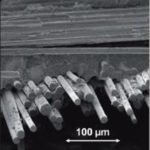
A Ceramic Matrix Composite (CMC) is a ceramic matrix coupled with embedded ceramic fibers. This unique association of materials revolutionized the aerospace industry, making parts more resistant to extreme conditions, including oxidizing atmosphere, and lighter compared to the previous technologies. CMC materials prevail over most of the drawbacks of conventional technical ceramics, which are low fracture toughness, limited thermal shock resistance & brittle failure.
Baikowski® develops special submicronic high purity alumina and mullite solutions for oxide-oxide CMCs, such as BA15-PSS, SM8 and SLAz, a high-purity fine alumina doped with nanozirconia.
Our engineered solutions ensure excellent infiltration, controlled porosity, fine microstructure, and reliable performance in extreme environments.
View Ox/Ox CMC related products
✅What are the Properties of the ceramic matrix composites?
CMC technology was developed to face extreme conditions, thanks to its remarkable properties:
- Thermal resistance: while technical ceramics are proven thermal insulators, CMC is adding dimensional components (namely fibers, matrix and pores) that enhance the resistance to thermal shocks.
- Lightweight: compared with the previous composite technologies used in extreme environment, a CMC part is much lighter. For example, it is 1/3 the weight of nickel superalloys for a similar part.
- Improved engine efficiency: by enabling components to operate at higher temperatures and requiring less cooling air in engine hot sections, CMCs can contribute to improved fuel efficiency and reduced emissions, depending on the overall engine design.
- Fracture toughness: CMC material is less brittle than a conventional technical ceramic, since fibers contribute to bridge the cracks
- Electrical insulation: oxide CMCs show dielectric transparency, unlike other types of CMCs.
- Chemical stability: High Purity Alumina matrix shows excellent corrosion resistance against most chemicals
Those properties are strengthened by Baikowski’s control of particle size & size distribution in the delivered products (d50<0.2µm). Moreover, we deliver a wide product range (powder & slurry), with high chemical purity, 100% α alumina. Our slurries are provided with high solid content.
Indicative comparison of main CMC families
| CMC Type | Carbon/Carbon | Carbon/SiC | SiC/SiC | Ox/Ox |
| Fiber | Carbon | Carbon | SiC | Alumina, Mullite, Quartz |
| Fiber tensile strength (GPa) | 4–7 | 4 | 2.7 | 3 — Al2O3 2 — Mullite 1.5 — Quartz |
| Fiber cost (€/kg) | 20–50 | 20–50 | 1,000–20,000 | 600–800 |
| Density (g·cm−3) | 1.4–1.7 | 1.8–2.8 | 2.3–2.9 | 2.1–2.8 |
| Environment | Not for use in oxidizing atmosphere | Protection is necessary in oxidizing atmosphere | Oxidizing atmosphere allowed | Oxidizing atmosphere allowed |
| Creep resistance | ++++ | +++ | +++ | + — Alumina ++ — Mullite |
| Maximum operating temperature (°C) | 2,000–2,100 | 1,350–2,100 | 1,100–1,600 | 900–1,300 |
✅What are the main applications?
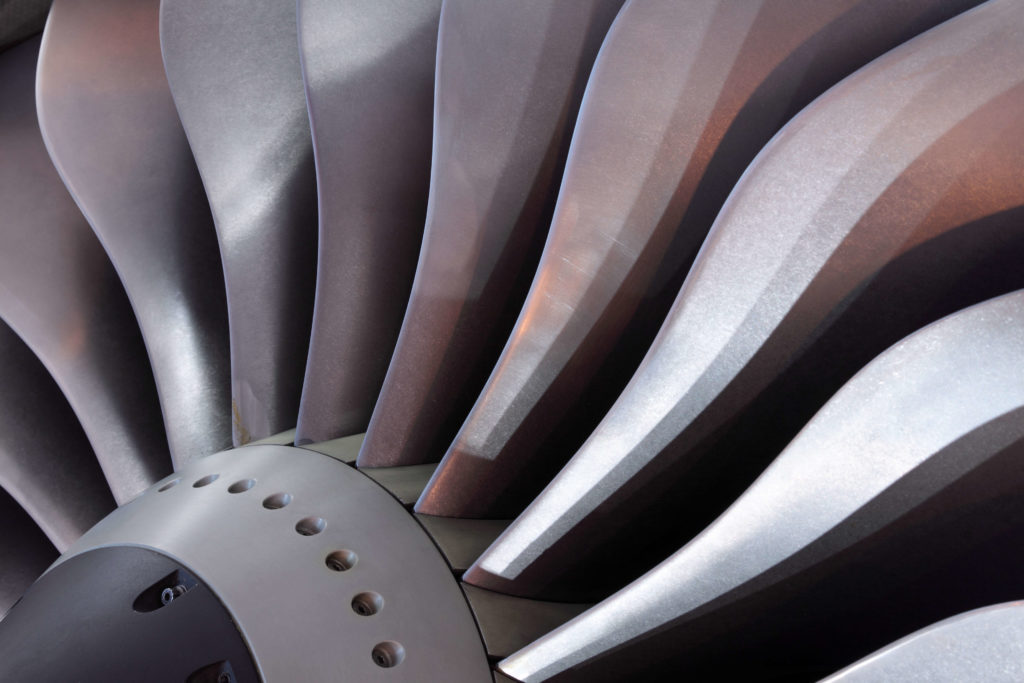
They are used in various sectors ranging from automotive components and aerospace structures to electrical insulators and biomedical devices.
- Components for gas turbines (turbine blades, combustion chambers)
- Heat shield systems for aerospace
- Various burners
- High performance braking systems
✅What are the main benefits of Baikowski® Ox/Ox CMC solutions?
View Ox/Ox CMC related products
Ceramic matrix requires precursors much smaller than 10µm for:
- Easy processability (intimate mixing during CMC fabrication), including spray-dried forms
- Low sintering temperature
- Good mechanical properties after sintering
We provide powders and slurries especially designed for oxide CMC application.
How to formulate a slurry for high quality CMCs?

- < 1μm particle size
- Controlled viscosity
- Slurry stability (in compliance with additives, especially binders /pH/aging)
- Lowest possible densification temperature
- Controlled porosity for good mechanical
performances
Baikowski customized solutions for Oxide CMCs
Adjustment of doping and chemical composition can be done such as:
- High purity
- Sintering additives
- Nano particles
- Mixed oxides (e.g. alumina/zirconia for additional mechanical properties)
Product customization examples:
- Control of particle size distribution and SSA
- Binder-free spray -dried powders (for a better processability of submicronic powders)
- Concentrated slurries (solid loading up to 65wt%)
- Functionalized powders for organic solvent uses
MgO-doped alumina is an example of dopant chemistry used to investigate microstructure stability after thermal exposure.
→ Read the MgO doped alumina for Ox/Ox CMC article and scientific publication.
✅Learn more in our white paper:
ADVANCED MATERIAL FOR OXIDE CMCs
White Paper
4N Alumina & Mullite solutions
Discover all our White Papers